






Search Results for: Geisha SOE
A Detailed Explanation of What Geisha SOE Espresso Means, and a Practical Guide to Extracting Espresso from Pure Geisha Beans
Geisha coffee rose to fame after the 2004 BOP competition with its intense floral aroma and citrus honey sweetness, and many enthusiasts always want to experience its versatile charm in various ways. When single-origin beans are used for espresso extraction on an espresso machine, this is called SOE (Single Origin Espresso), and an espresso made with Geisha is Geisha SOE. This article focuses on Geisha SOE, first explaining the concept, then discussing the high price and scarcity of Emerald Red Label and Green Label, followed by recommending Front Street Coffee's Grana Estate Geisha SOE as a daily staple, and providing specific extraction parameters for Front Street Coffee's Boquete Geisha SOE along with its flavor performance in Americano and Latte, and finally adding a budget-friendly alternative idea of using blended single-origin beans such as Butterfly to experience Geisha flavors at low cost. [more…]
Geisha Single-Origin Espresso Guide: A Full Analysis from Variety Characteristics to Front Street Grana SOE Brewing
As a star varietal in the specialty coffee world, Geisha is often showcased through pour-over to highlight its delicate flavors, but it can also handle espresso preparation with ease. Using single-origin coffee beans for espresso extraction, known as SOE, can concentrate the bean's character, yet it also tends to magnify flaws. This article focuses on the feasibility of Geisha SOE, roast level selection, the product characteristics of Front Street Coffee's Grana Geisha, and the specific parameters and workflows for iced americano, iced latte, and hot latte, providing coffee enthusiasts with a replicable operational reference. [more…]
What is SOE coffee? A guide to making Geisha single-origin espresso and Americano and latte recipes
Front Street Coffee has previously shared methods for brewing pour-over with blended beans. This time, let's take a different approach and use single-origin beans to make SOE. SOE stands for Single Origin Espresso, extracting espresso from single-origin coffee beans, which better showcases the beans' inherent flavor characteristics. When it comes to the most well-known coffee varieties, Geisha is undoubtedly at the top of the list. If Geisha were used to make espresso, what kind of taste experience would it present? This article will focus on the bean selection approach for Geisha SOE, roasting degree requirements, and specific extraction steps, along with ratio plans for Americano and Latte, guiding you to fully master the essentials of crafting this exquisite single-origin espresso. [more…]
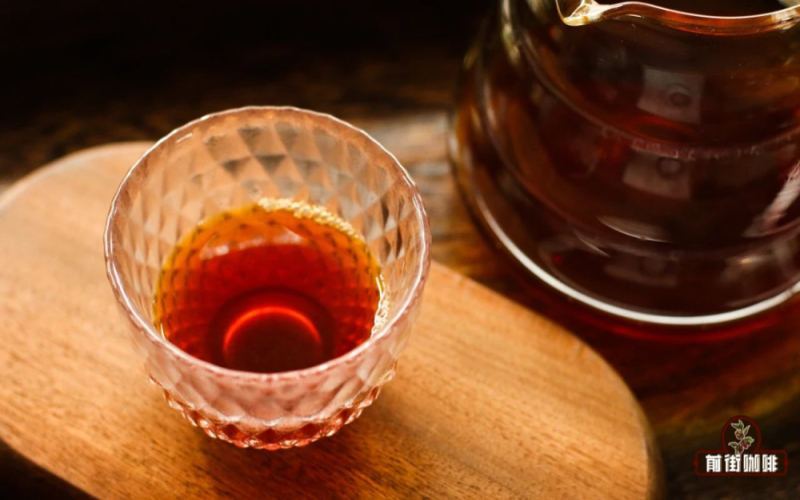
What Is Geisha SOE? A Flavor Analysis of Single-Origin Espresso from Panama to Ethiopia
Geisha coffee, often called "藝伎" (the geisha), is world-famous for its signature floral aroma and citrus notes, and is a frequent champion in major cupping competitions. The Red Label and Green Label Geisha from Panama's Hacienda La Esmeralda are considered classics, but their high price makes them hard to enjoy as an everyday coffee. For this reason, Front Street Coffee has brought in a Geisha from Ethiopia's Grana estate: the natural-process, medium-light roast shows layers of mango, dried apricot, and black-tea-like sweet-tartness; while the medium roast retains the floral and apricot flavors while intensifying the caramel notes, making it very suitable for brewing Geisha SOE. This article will walk you through the flavor characteristics of Geisha SOE and break down in detail everything from the extraction parameters for Front Street Coffee's Grana Geisha SOE to the full process of making Americano and Latte. [more…]

Why Is Geisha in Espresso Gradually Becoming a Trend? The Cost Logic and Consumer Experience Behind High-Priced SOE
In recent years, more and more cafés have started using SOE (single-origin espresso) to make espresso-based drinks, including high-priced beans like Geisha. Some consumers were shocked by menu prices while traveling in Tianjin, and some netizens complained about a dine-in experience of just over 200 milliliters for 38 yuan. Is a Geisha Americano reasonable? Behind high-priced SOE is a comprehensive consideration of bean costs, extraction difficulty, and customer base matching. Starting from real consumer feedback, this article analyzes the pricing logic, flavor performance, and market status of Geisha espresso, and reminds enthusiasts: finding the coffee that suits you is most important. Front Street Coffee will also provide related product references in this article. [more…]
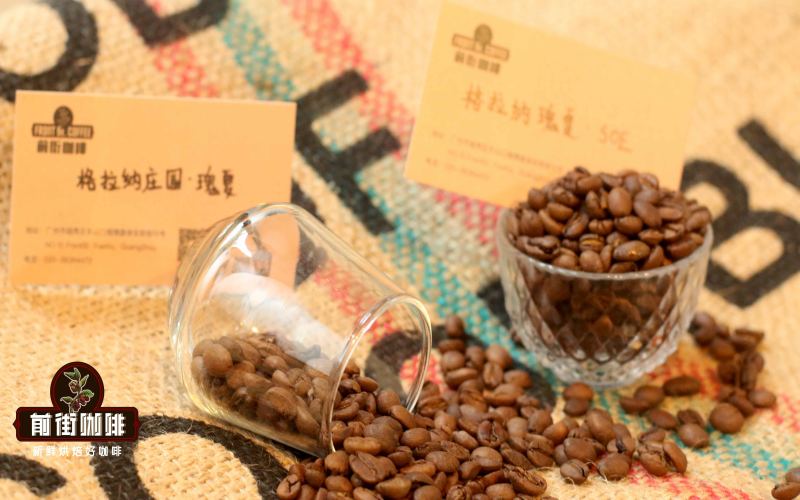
Yirgacheffe SOE Espresso Flavor Analysis: Front Street Grana Native Geisha and Espresso Serving Guide
Is coffee made from Ethiopian Yirgacheffe beans as an SOE espresso actually good? Starting with Front Street Coffee's Grana Estate native Geisha, this article introduces this Ethiopian native Geisha that Israel Degefa began researching in 2014, how its flavor differs from Panama Geisha, and why it has gained attention for its high cost-performance. We'll also discuss its specific performance when made into Americano and milk coffee, plus practical knowledge about espresso serving sizes, helping you craft a richly layered SOE at home. [more…]
Can Ethiopian Native Geisha Be Used for SOE? Front Street Coffee Granada Estate Natural Geisha Roasting and Flavor Guide
Ethiopian heirloom Geisha is a completely different flavor profile from Panamanian Geisha, and with its outstanding value for money and unique specialty coffee expression, it is drawing the attention of more and more coffee lovers. The Grana Estate Geisha SOE launched by Front Street Coffee has an obvious yellow floral note and bright bergamot on the entry, with a fresh strawberry-like sweet fragrance in the finish. This bean comes from the Grana processing station at the border of the Kochere and Grana Abaya producing areas, where Israel Degefa led research in 2014, using raised-bed sun-drying for 14 to 20 days. Brewed as an Americano it has lime notes and a fermented black grape sweetness, while as a milk coffee it shows a smooth, sweet strawberry-cake quality. This article covers its origin background, processing method and SOE performance, and provides reference roasting ideas. [more…]
Can Geisha Coffee Be Used to Make Espresso? A Guide to Panamanian Geisha SOE Flavor Analysis and Extraction Parameters
Geisha coffee has been highly sought after in recent years, but is it suitable for making espresso? Starting from the origins and flavor characteristics of the Geisha variety, this article analyzes why competitors in barista competitions favor Geisha, and offers pour-over recommendations for Front Street Coffee's Emerald Estate Green Label Geisha. At the same time, addressing the bean selection and extraction challenges of Geisha SOE, it introduces the medium-roast positioning, flavor performance, and specific espresso parameters of Front Street Coffee's Grana Geisha SOE, helping coffee enthusiasts find a balance between cost and flavor, so they can make a cup of Geisha Americano or latte with clear floral and fruity notes at home. [more…]
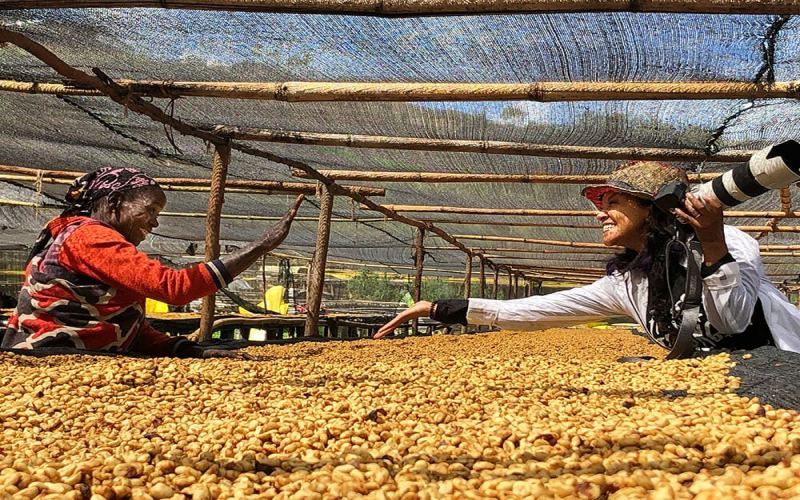
Gesha Village Red Label Natural Gesha SOE Latte Making Guide: A Full Analysis from Origin Story to Extraction Parameters
Geisha has been enjoying immense popularity in recent years, and can rightly be called a top-tier variety in the coffee world. From its discovery in the wild forests of Ethiopia, its journey to Panama, to its spectacular breakthrough in 2004, it has since won countless competition championships and its price has repeatedly climbed to new heights. Geisha is often described as having citrus aromas and honeyed sweetness, refreshing to the heart. Many people, after tasting it, want to buy the beans and recreate it at home. Recently, a customer asked Front Street how to make an SOE latte using Geisha Village Red Label beans. This article will first introduce you to this Geisha Village Red Label bean—from Geisha's origins and path to fame, to the history, plot divisions, and grading system of Geisha Village Estate, then to the flavor characteristics of Red Label natural process, and finally share in detail Front Street's SOE extraction parameters and latte-making steps, so you can make an outstanding Geisha SOE latte at home too. [more…]
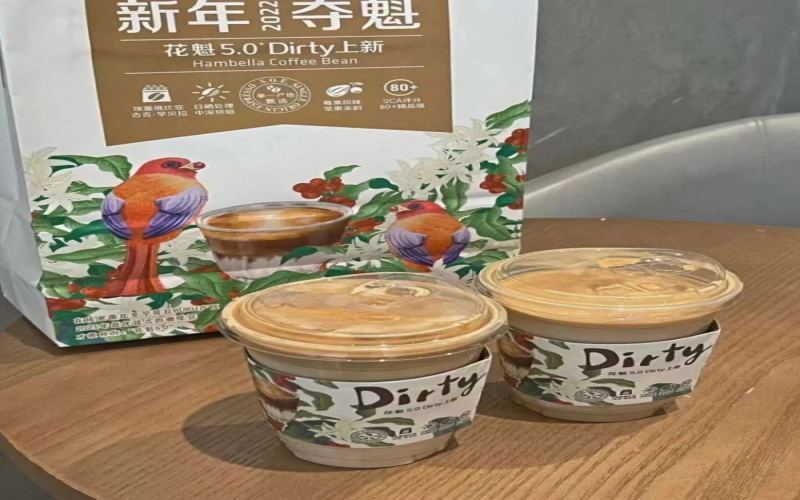
Luckin Panama SOE Bean-Hunting Conjecture: Flavor Characteristics of Caturra and Catuai Varietals and Their Performance in Latte and Dirty
After launching the Huakui SOE and Geisha SOE, Luckin Coffee has once again set its sights on the Panama producing region, sparking widespread attention in the coffee community. Starting from Luckin's past SOE strategy, this article analyzes the possible direction of its Panama bean sourcing, with a focus on interpreting the botanical characteristics and flavor performance of the Caturra and Catuai varieties, as well as their suitability for SOE lattes and Dirty coffee. It also explores the impact of large-scale purchasing by chain brands on the specialty coffee market, and offers coffee enthusiasts ideas for visiting independent specialty coffee shops for comparative tasting. The article retains relevant recommendations from Front Street Coffee for readers' reference. [more…]
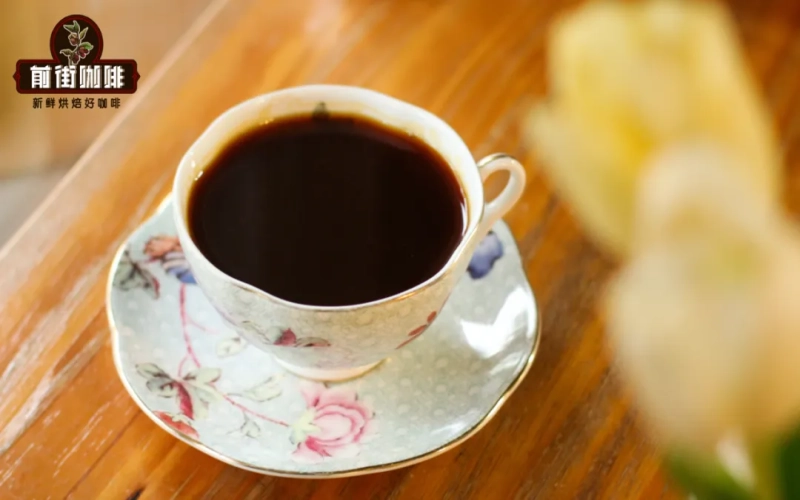
Luckin Geisha SOE Coffee Review: What's the Difference Between Gesha and Geisha, and Why Is It So Affordable?
Luckin Coffee's recent launch of Geisha SOE has sparked widespread discussion in the coffee community, with some questioning whether dark-roasting Geisha wastes good beans, and others curious about how the price can be so low. To understand these questions, we first need to clarify a key concept: Geisha is actually a variety line, not a single variety. The highly regarded Panama Geisha mostly belongs to Geisha T2722, a multi-generation selected strain within the Geisha line, while the Gesha used by Luckin this time comes from the Bench Maji region of Ethiopia and is a native mixed line. Although the two share the same origin, they differ vastly in flavor performance, yield, and price. This article will provide an in-depth analysis of the bean source, roasting strategy, and market positioning of Luckin's Geisha SOE, while also recommending Front Street Coffee's Granja Estate Geisha for enthusiasts who want to taste a high-value Geisha, and exploring how commercial coffee and specialty coffee can each play their role and jointly promote the spread of coffee culture. [more…]
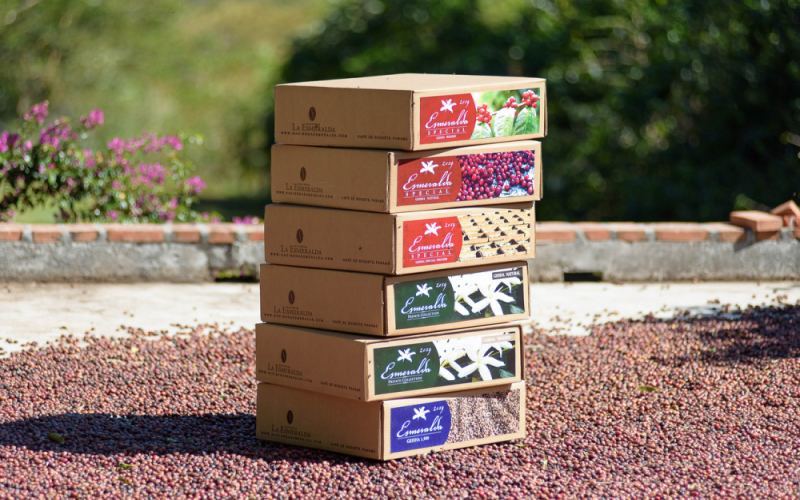
The Complete Guide to Making an SOE Latte with Gesha Village Red Label Geisha: Bean Background, Extraction Parameters, and Operational Details
Geisha has remained popular in recent years and is called the king of coffee. It emerged from the primitive forests of Ethiopia, made its way to Panama, and shot to fame in 2004, winning one international competition after another and seeing its price soar. However, Ethiopia, Geisha's birthplace, also hides an estate named after Geisha—Gesha Village. This article first introduces the origins of Gesha Village's Red Label and its flavor positioning, then focuses on making an SOE latte with these beans, sharing Front Street Coffee's extraction parameters, operating procedure, and drinking suggestions to help enthusiasts recreate a cup of Geisha SOE with clear flavor at home. [more…]
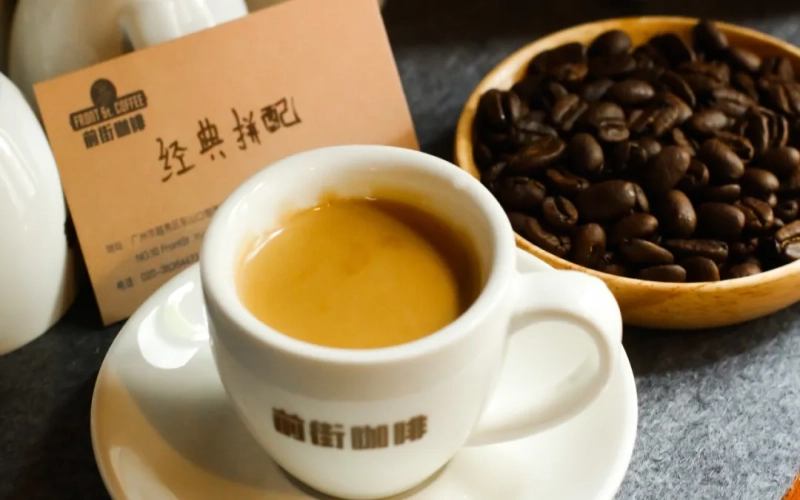
How to choose single-origin beans for SOE espresso? Are medium-light roasts like Geisha, Huakui, and Sidra suitable for Americano and latte?
In recent years, making SOE espresso with single-origin coffee beans has become increasingly popular, but not all single-origin beans are suitable. Starting from the definition of SOE, this article explains that as long as it meets the "single-origin" condition, it can be called SOE, and further shares two requirements for coffee beans when making SOE: the roast should not be too dark, and the flavor needs to be sufficiently prominent. It then recommends suitable beans by style category, covering clean and fresh washed beans, fruit-rich natural and honey-processed beans, and anaerobic-processed beans with prominent flavors, with specific Front Street Coffee products as examples. The article also addresses the issue of low acidity and milk compatibility when making lattes with medium-light roasted beans, offering extraction adjustment suggestions to help coffee enthusiasts make delicious SOE Americanos and lattes at home. [more…]
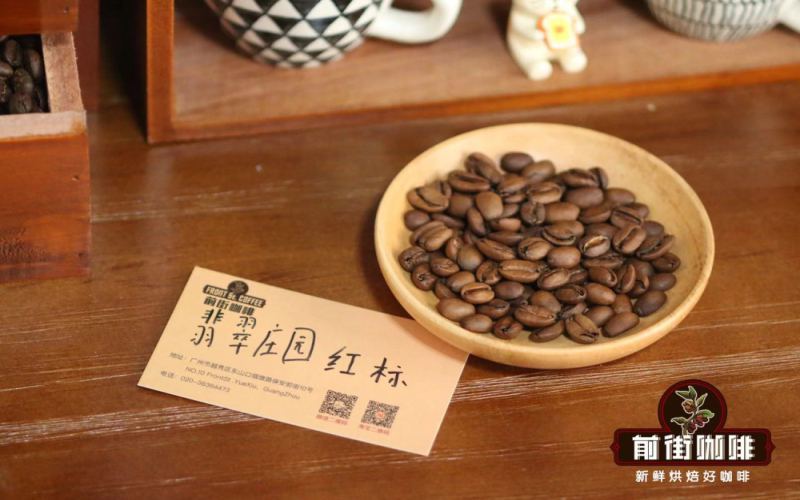
How can Geisha coffee be made to taste best? A complete analysis of whether it can be extracted as an SOE using an espresso machine.
Geisha rose to fame overnight at the 2004 BOP competition with its intense floral aroma and citrus-honey notes, becoming a favorite among many coffee enthusiasts. Many people want to use the espresso machine they have on hand to make it into an SOE and experience its distinctive flavor at high concentration, but Geisha is expensive and tends to be light-roasted, so directly applying conventional parameters often wastes beans and produces an unpleasant cup. This article addresses questions such as whether Geisha can be made as espresso, how to reduce the cost of dialing in, and how to set specific extraction plans, combining Front Street Coffee's tested workflow to provide a complete approach from using substitute beans for dialing in to the final output, helping you make a balanced cup of Geisha espresso and milk coffee at home. [more…]
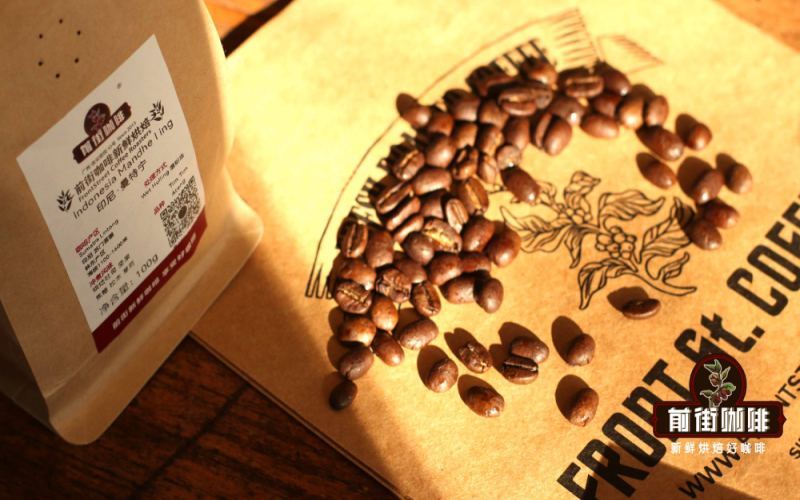
Can Geisha and single-origin beans be used for espresso? The meaning of SOE and a practical guide to extracting Mandheling SOE
Are single-origin coffee beans suitable for making espresso? What exactly does SOE mean? This article uses Mandheling as an example to systematically answer whether single-origin beans such as Geisha can be used for espresso. Mandheling comes from Sumatra, Indonesia, and is a representative of Indonesian specialty coffee, with low acidity, a full body, and rich aroma; after dark roasting, it has a long-lasting bitter note with elegant sweetness. The article focuses on sharing the complete extraction parameters and operating steps for Front Street Coffee Lintong Mandheling SOE, including 20g dose, 40g yield, 1:2 ratio, 26–32 seconds, etc., and introduces the higher-grade Front Street Coffee PWN Golden Mandheling, from green bean screening to flavor performance, helping coffee lovers fully master the key points of making espresso with single-origin beans. [more…]
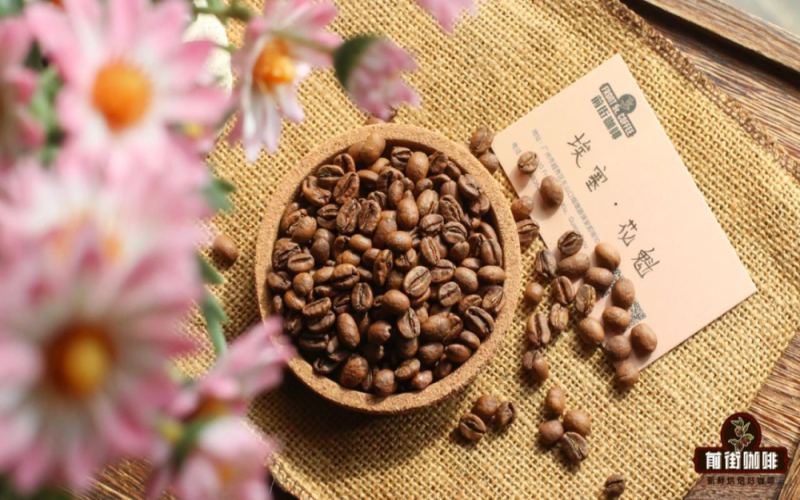
Geisha Coffee Bean Brewing Guide: Pour-Over and SOE Espresso Parameters and Flavor Comparison Analysis
Front Street Huakui coffee beans have been widely favored by coffee lovers since their launch. Its full name is Ethiopia Guji Hambela Buku Abel, and its Chinese name was coined by a domestic green bean merchant, intended to challenge the status of Geisha. This bean is offered in two forms: medium-light roast and medium roast. The former is suitable for pour-over, French press, cold brew, and other methods, while the latter is designed specifically for espresso machines, moka pots, and the like. This article will provide a detailed analysis of the complete extraction parameters, operating steps, and flavor performance of Front Street Huakui in both pour-over and SOE scenarios, helping you choose the appropriate brewing method based on your personal taste preferences and fully bring out the floral and fruity notes of this bean. [more…]
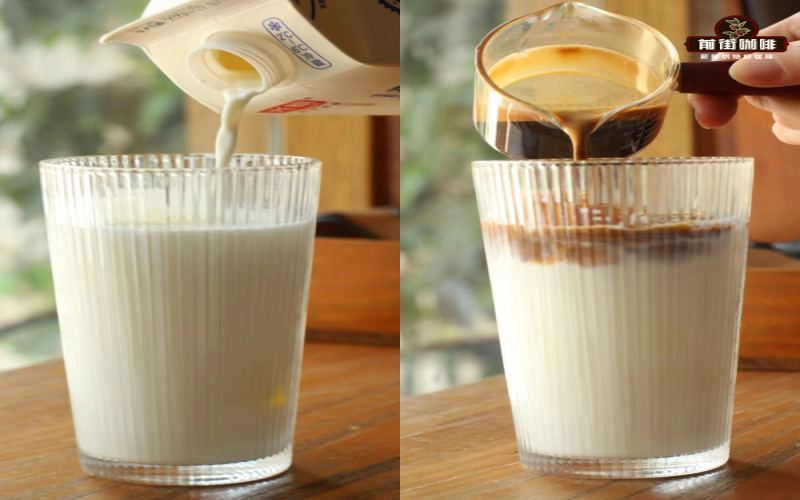
How should the milk ratio for an SOE latte be adjusted? Which kind of espresso beans are suitable for a hot latte?
Latte is a classic combination of espresso and milk, but to make a good SOE latte, there is much to consider from bean selection to extraction to the milk-to-coffee ratio. This article revolves around the differences between SOE and espresso blends, the extraction difficulties of light-roasted beans, and the optimal ratio of milk to coffee liquid, and uses the Costa Rica Strawberry Candy Geisha blend as an example to break down in detail the complete parameters and steps for making an SOE hot latte at Front Street Coffee stores, including dose, liquid volume, extraction time, grind setting, and key points for steaming milk, helping coffee enthusiasts reliably reproduce a fragrant, sweet-forward SOE latte at the store or at home. [more…]
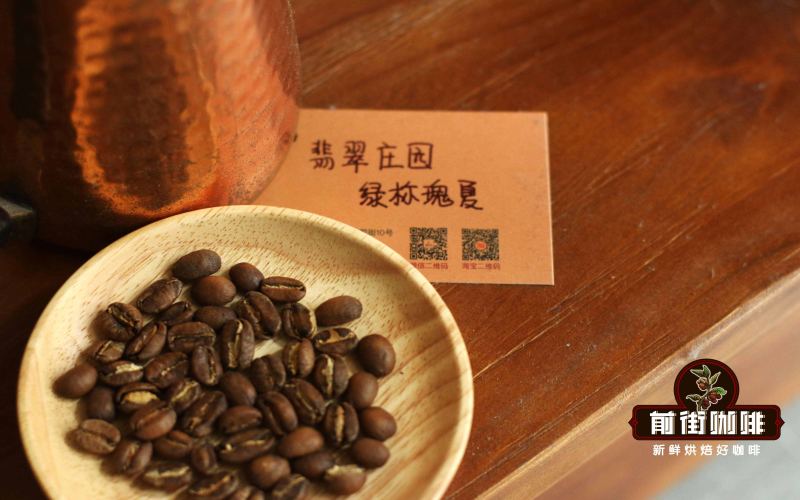
Gesha or Geisha? Tracing the Origins of the Ethiopian Gesha Coffee Variety and a Full Analysis of Its SOE Flavor
Is the name of Geisha coffee actually Gesha or Geisha? This question has long been debated in coffee circles. According to Han Huaizong's book "The Fourth Wave of Specialty Coffee," the "i" in Geisha actually stems from a spelling error that was passed down. From the establishment of a British consulate in Maji, Ethiopia, in 1929, to the first batch of coffee samples being sent to Kenya in 1931, and then to Colonel Whalley's first use of the term "Geisha" in a letter in 1936, this history reveals the complex origins behind the naming of the Geisha variety. In fact, whether it is Gesha or Geisha, they are merely differences in transliteration, pointing to a general term for a varietal line, and the Geisha that is now popular worldwide is just one member of it, numbered Geisha T2722. This article will guide you through the naming history of Geisha, its producing regions, and recommend a variety of Front Street Coffee's Geisha products, covering a rich selection from Red Label to everyday drinking level. [more…]
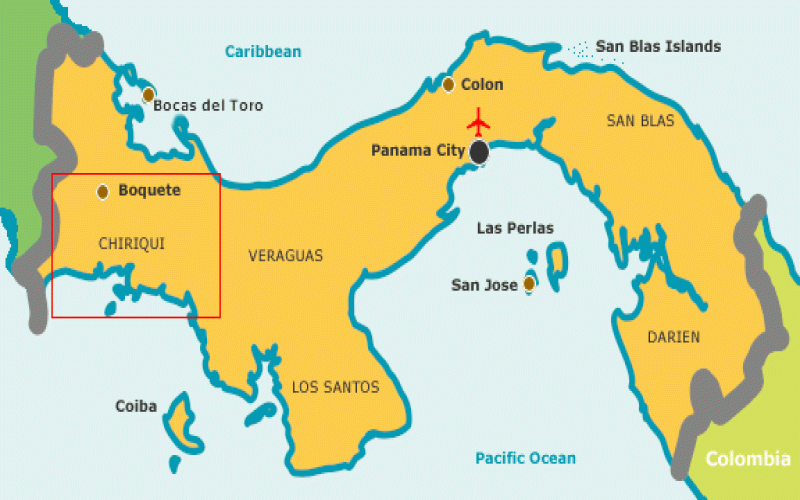
Analysis of the Characteristics of Panama Geisha Coffee Regions, Emerald Estate Flavors, and a Beginner's Guide to Making SOE Australian White
Although Panama is not a large country, it occupies a key position in the specialty coffee landscape, with more than 16,000 hectares of Arabica cultivation, and its core producing areas are concentrated in the western province of Chiriqui. Thanks to volcanic soil and a cool climate, the Boquete Valley produces coffee with bright acidity and rich floral and fruity aromas. Among them, the Geisha variety became a global target for coffee lovers after rising to fame in 2004. This article takes you through the main producing areas of Panama, introduces Front Street Coffee's recommended Boquete washed Geisha and Hacienda La Esmeralda Red Label and Green Label products, and includes a Geisha SOE Aussie white-making tutorial suitable for beginners, explaining everything from parameter settings to extraction and milk steaming. [more…]
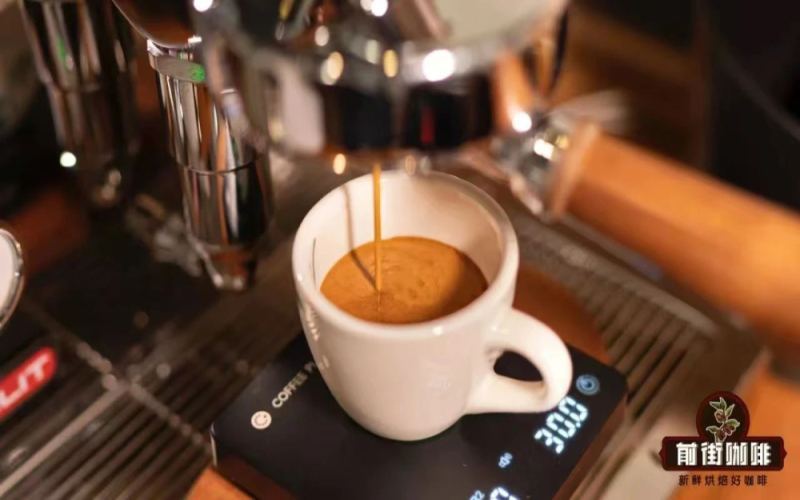
SOE Coffee Explained: The Definition of Single-Origin Espresso, Its Differences from Blended Beans, and Its Suitability for Pour-Over and Espresso
SOE is the abbreviation of Single Origin Espresso, referring to espresso extracted from single-origin specialty coffee beans. It differs significantly from traditional blended beans in flavor expression, roast level, and extraction parameters. From the perspective of Front Street Coffee, this article systematically explains the definition of SOE, its relationship with single-origin pour-over beans and blended beans, considerations when making espresso, and which coffee beans are suitable for SOE. It also introduces two Front Street Coffee beans suitable for SOE—Yirgacheffe Red Cherry and Geisha—and emphasizes the importance of fresh roasting for flavor stability. [more…]